The first bag of kratom I ever forgot in a cupboard taught me two things. One, green powder can turn the color of a tired lawn if you leave it for months next to a window. Two, the cup of kratom tea I brewed from that sunbaked relic did almost nothing. Kratom, like coffee beans or tea leaves, is a plant product. It breathes, it ages, and yes, it can expire in every way that matters: flavor, aroma, potency, and in rare cases, safety.
If you use kratom for energy, focus, mood, or relaxation, shelf life is not a trivia question. It is the difference between a predictable experience and a shrug. Let’s walk through what actually changes as kratom ages, how to spot potency loss versus spoilage, and the quiet variables that make or break storage, from humidity to light to the container sitting in your kitchen right now.
Quick context, without the fluff
Kratom comes from the leaves of Mitragyna speciosa, a tropical tree native to Southeast Asia, most famously Thailand and Indonesia. The dried kratom leaves are milled into kratom powder, packed into kratom capsules, brewed into kratom tea or turned into kratom extract. The effects are tied to a cluster of kratom alkaloids, mainly mitragynine and 7 hydroxymitragynine. These compounds are organic molecules. They oxidize with exposure to oxygen and light, they break down faster with heat and moisture, and they absorb odors like a sponge in a cheese shop. That is the chemistry underneath every good or bad experience at the cup or capsule level.
Does kratom expire?
Not like milk, but the practical answer is yes. Most reputable vendors describe kratom shelf life as 1 to 3 years from the milling date, assuming sealed, cool, dark storage. In real kitchens and gym bags, the number drops. I tell people to aim for a 6 to 12 month window for best results once the package is opened. Past that, the odds of noticeable potency loss rise sharply.
Expiration is not a single cliff. You will not have a perfect morning with Green Maeng Da kratom on day 364 and a useless scoop on day 365. The slide is gradual: a bit less mood lift, a murkier focus, more nausea at the same dose, or a dose that suddenly needs a top up. That is potency loss talking, not necessarily spoilage.
Potency loss versus spoilage, and why it matters
Potency loss means the active alkaloids have degraded or oxidized. Spoilage means contamination, usually microbial growth from moisture, or rancidity if the powder absorbed oils. The first is a letdown. The second can make you sick.
The effects of potency loss show up as muted kratom effects at a familiar dose. If you normally feel a clean lift for three to four hours with White Borneo kratom and you find yourself yawning at the 90 minute mark, that could be alkaloid breakdown. A dust-dry texture that tastes flat, like stale tea, is another hint.
Spoilage is different. You are looking for clumping that stays even after you break it apart with a spoon, a musty or sour odor, visible fuzzy growth, or a damp feel that sticks to the scoop. If your kratom drinks or kratom tea smell like a wet basement, do not negotiate with it. Toss it.
The chemistry behind the fade
Mitragynine and 7 hydroxymitragynine are relatively stable when stored well, but they are not stubborn. Light kicks off oxidation. Heat speeds every reaction on the table. Moisture invites microbes and hydrolysis. Air exposure helps the powder lose volatile aromatics that do not dominate the pharmacology but telegraph freshness. You can taste that difference in the first sip of kratom tea.
The exact decay curve is still being mapped in kratom studies, and the literature is thinner than with coffee or cocoa. But the core pharmacology is no mystery. The alkaloids are organic structures with oxygen and nitrogen that rearrange and break apart under stress. If you have ever brewed a beautiful cup of kratom tea and then left it in a sunny travel mug, you already ran a micro lesson in alkaloid degradation.
Real signs your kratom is past its prime
Here is a short checklist you can run through in under a minute:
- Color shift toward dull brown or gray, especially with green strains like Green Maeng Da kratom. Aroma fading to near-neutral or tilting musty, sour, or “old hay.” Texture clumping that does not break down well, indicating moisture penetration. Dose drift, where your usual kratom dosage guide no longer produces the same kratom effects timeline or duration. Tea or shots that taste noticeably bitter in a different way, not just strong, but off.
If two or more show up, it is time to retire the bag or at least relegate it to non-critical use, like experimenting with recipes or testing a kratom blend for flavor, not performance.
Do different kratom strains age differently?
Not in a way that changes storage rules, but you may notice differences in how they show their age.
Red strains like Red Bali kratom tend to lean into a deeper, earthier taste as they oxidize. Greens such as Green Maeng Da kratom lose their fresh, grassy nose faster. White strains like White Borneo kratom can feel more brittle in effects when potency dips, with the energy and focus profile collapsing first. Yellow kratom, which often involves a particular drying or blending approach, can vary widely. The take home is the same: freshness preserves character. Age blurs the lines in any red vs green kratom or green vs white kratom comparison.
How long does kratom last once opened?
If you open a sealed mylar bag of kratom powder and you store it well, you can expect strong performance for 6 to 12 months. Capsules behave similarly since the powder inside is still exposed to air through micro gaps, although capsules do protect against ambient humidity better than a jar you keep opening. Kratom extract, depending on solvent and concentration, can last longer, but extracts are not immune to heat or light either. If your tincture lives in your car, it will live a short life.
Brewed kratom tea in the fridge is a different beast. Keep it sealed and aim to drink within 3 to 4 days. Past a week, you are rolling dice. Kratom shots and bottled kratom drinks that come commercially packaged typically include preservatives and have a labeled expiration date. Respect it.
Storage that actually works, not theory
Skip the mason jar on the windowsill. Go for opaque, airtight containers stored in a cool, dark cupboard, away from heat sources and moisture. If the original packaging is a resealable, opaque mylar bag with a solid zipper seal and a desiccant, it is already halfway there. If it came in a clear plastic tub, rehome it.
If you live somewhere humid, a food grade desiccant packet helps. Do not use the cheap mystery silica gel satchel from your last shoe purchase. Buy fresh, food safe desiccants and swap them quarterly. Do not refrigerate or freeze kratom powder or capsules unless you are very disciplined. The cold is great, but condensation when you pull the container out is a sleeper threat. If you must freeze for long term storage, portion your powder into small, single week packets and thaw only what you use.
What about mixing, smoothies, and other kitchen adventures?
Once you mix kratom into a smoothie, juice, or milk, you start the clock. The kratom half life inside your drink is less the issue than the microbial life in the blender. Drink it right away or store it cold and finish within 24 hours. For kratom tea, hot water extraction and acidity matter. A splash of lemon can help extraction and flavor. But do not leave your pot of tea steeping half the day. Brew, strain, cool, and refrigerate.
Does potency loss change how much kratom to take?
Yes, but ramp carefully. If your powder is aged, it is tempting to just add half a gram and hope. That sometimes works, but it also invites kratom side effects like nausea, dehydration, or a heavy head. The wiser approach is to treat aged powder like a different batch. Start low again, dial in over a few sessions, and pay attention to kratom duration and onset. Your kratom tolerance will thank you.
If you keep having to chase effects, consider a tolerance break. Even a 3 to 7 day pause can reset subjective response. Rotate strains if you use kratom frequently. Alternating a green with a red, or a white with a yellow, can help manage kratom tolerance management without increasing frequency or dose. Rotations are not magic, but they are better than bulldozing your way up the gram ladder.
Safety notes that belong in the pantry, not just the forum
Spoiled kratom is usually obvious if you know what to look for. The sneakier risk is contamination at the source: heavy metals, salmonella, or adulterants. Legit vendors test. Ask for certificates of analysis. The FDA and kratom have a complicated relationship, and regulation varies. If you are wondering is kratom legal where you live, check a current kratom legality map or kratom laws by state. Local bans and age restrictions change. When in doubt, do not ship a kilo to your office.
Be wary of kratom extract that promises the moon. Concentrates can spike tolerance and complicate kratom withdrawal if you decide to stop abruptly. If you drink coffee with kratom, remember both are stimulants. Kratom and coffee can play nicely in small doses, but it is easy to overshoot. Alcohol and kratom, on the other hand, is a poor pairing. Both can dehydrate and impair judgment. Hydration sounds boring until you need it. Keep water handy.
How kratom freshness intersects with effects people actually want
People use https://kratom.zone kratom for energy, focus, motivation, mood, relaxation, sleep, stress, and pain. An older batch can skew any of these. For energy and productivity, stale white strains feel jittery at the front and empty by noon. For relaxation and sleep, a tired red can feel surprisingly stimulating or “nervy,” which frustrates the goal. For anxiety or depression support, inconsistency is the enemy. You are trying to build a routine, not roll dice.
If you track your experiences, note three specifics each time: dose, timing, and how long it worked. Over a week, you will see whether a batch is softening. That beats guessing. It also exposes when diet, hydration, or sleep masks the real issue. Plenty of “my kratom stopped working” situations are actually “I slept four hours and chugged energy drinks” situations. Food interactions matter too. A heavy, fatty meal can delay onset. Empty stomach use can speed the kratom effects timeline, but increases nausea risk. Adjust accordingly.
Tea, capsules, and the shelf life quirks of form
Capsules are convenient, discreet, and reasonably protected from humidity. They do not shield from heat or light. Keep them in opaque pill bottles, not clear baggies. Powder is versatile. It is also exposed every time you open the bag and introduce humid air. Smaller bags trump giant bags if you do not use much. Kratom shots typically include acids and preservatives, but they are still sensitive to heat. Do not store them in a car or gym locker for weeks.
Kratom tea gives you control. Use water just off the boil, not a rolling volcano. A squeeze of lemon or lime helps both taste and extraction. Strain out plant material if it upsets your stomach. If you want to pre-batch tea for the week, store it in sterilized glass bottles, fill to the neck to minimize air, and keep cold. Label the date. If it smells off, trust your nose and dump it.
What freshness looks, smells, and tastes like
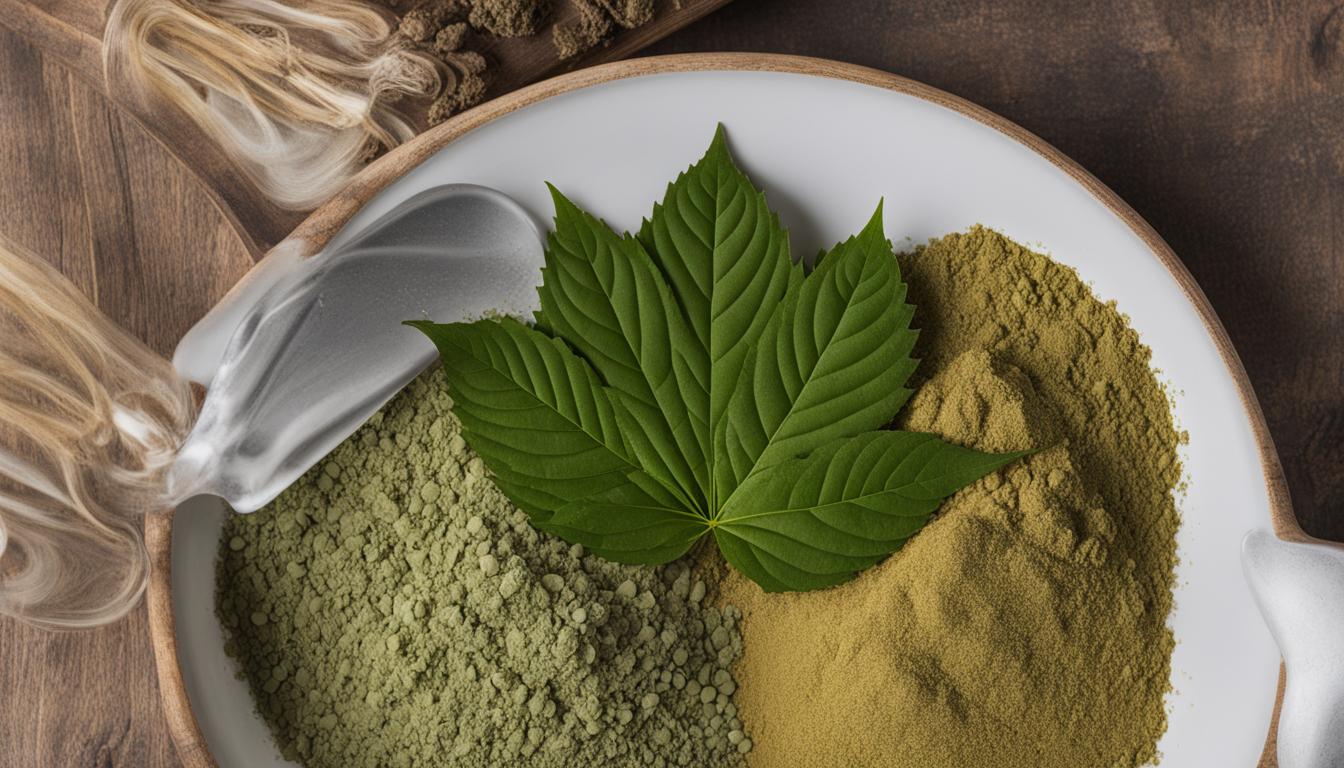
Fresh green strains look vibrant, with a fine, even grind and a clean, grassy aroma. Whites lean bright and peppery. Reds smell deeper and slightly sweet, not swampy. On the tongue, fresh powder tastes assertive but not rancid, bitter but not sour. If you ever ground a high quality green tea and took a sniff, you will recognize the family resemblance. The good stuff smells alive.
How kratom works and why storage shows up in your body
At the receptor level, kratom alkaloids interact with several targets, including mu opioid receptors, adrenergic receptors, and others. The pharmacology is complex. It is not just a knob you turn up and down. When alkaloids degrade, the balance between them can shift. That is why a tired green can feel more sedating than expected, or a red can feel oddly stimulating. The relative ratios change. That is also why extracting into tea versus swallowing powder yields slightly different profiles. Metabolism shifts with form, dose, and your own biology.

The kratom half life of mitragynine hovers in the range of several hours, which underpins the typical kratom duration you feel: two to six hours depending on dose, stomach content, and strain. Freshness does not change half life directly. It changes how much active alkaloid you get per gram, which trickles down to everything else: onset, peak, duration, and afterfeel.
Real world scenarios and fixes
Picture this: you have a half kilo of Green Maeng Da kratom you bought on sale six months ago. You opened it right away and used a scoop every weekday morning. The bag now has one third left, the zipper is a little gritty, and the powder smells less vivid. Your morning dose, which used to carry you until lunch, now fizzles by 11 a.m.
You have three options. One, increase dose by a small step and accept that the bag is on its last legs. Two, blend with a fresh white strain to restore lift without doubling grams. Three, retire this bag to recipe duty and use it for tea blends where citrus and ginger can mask the faded flavor, then move to a fresh batch for predictable workdays. Option two often hits the best balance. Option three respects your time.
Another scenario: you brewed a liter of kratom tea on Sunday, stored it in the fridge, and forgot it until the following Monday. It looks clear, but the smell is odd. If your milk had the same smell, you would toss it without debate. Do the same here. Your gut will thank you.
Myths, facts, and the gray areas
A common myth says putting kratom in the freezer keeps it fresh forever. It keeps it fresh longer, not forever. Freezing slows oxidation and microbial growth, but moisture from repeated thawing kills powders. If you do it, portion carefully.
Another myth claims yellow kratom is “aged” kratom, like some aged tea, and therefore keeps better. In practice, “yellow” is a vendor term for specific drying techniques or blends. It does not guarantee better shelf life.
A gray area concerns kratom potentiators. People add grapefruit juice, magnesium, turmeric, or black pepper. The science is mixed. Some of these may influence metabolism, but none will revive a stale batch, and certain combinations can increase side effects. The cleanest way to enhance kratom effects is to keep your product fresh, your dose appropriate, and your routine steady.
A simple buying and storage rhythm that works
If you use kratom daily, buy in quantities you will finish within three months. Split your stash into two containers. Keep one in active use and the second sealed. Label the open date. Store both in a cool cupboard, not the bathroom where steam lives. If you travel, transfer a week’s worth to a small, opaque tin rather than hauling the big bag around and opening it twice a day.
If you are new and reading kratom for beginners guides, start even smaller. Test a few kratom strains in 50 to 100 gram sizes. Learn your response curve. Keep notes for a week. You will figure out how much kratom to take for your goals faster than any chart can tell you. Those kratom effects charts and strain comparison grids are helpful starting points, not law.
Legal and practical landscape
Legality shifts. Some states and counties regulate sale, age limits, and purity testing. If you are unsure, search current kratom regulation updates and your local rules. Advocacy groups track changes, and vendors usually post whether they ship to your area. Do not assume last year’s status holds this year.
On the safety front, keep an eye on kratom research. Small human studies, animal models, and pharmacology papers add up slowly. The kratom community discussions and kratom user experiences online are not a substitute for data, but they do highlight patterns in habits and storage wins or failures. When the science catches up, it usually confirms the basics: cool, dark, dry, airtight beats hope.
When to let it go
There is a point where rescue is not worth it. If the powder is clumpy beyond help, smells off, or looks like a science project, discard it. If it still looks fine but leaves you chasing the dragon with higher doses, retire it and protect your tolerance. There is no prize for finishing a bag that no longer serves you.
A brief word on pairings and routines
Kratom and caffeine can be friendly if you keep doses low. A small cup of coffee with a small dose of White Borneo kratom in the morning can feel clean and focused. Too much of both leads to the shakes. Kratom in the morning versus kratom at night is a balance of strain and dose. For sleep, lower doses often backfire. Many people find moderate doses of reds taken two to three hours before bed work better than a last minute scoop. For daytime productivity, lighter greens in smaller amounts beat big swings.
Hydration matters more than most admit. Kratom can be drying. If you feel headachy or nauseous, water and a light snack often fix it, not another half gram. Kratom and alcohol rarely ends in a better night. Kratom and diet is another quiet lever. A consistent breakfast, not a feast, gives you predictable absorption.
Final checks before you store your next bag
- Opaque, airtight container or the original mylar with a reliable seal. Cool, dark, low humidity spot that you access daily without steam or sunlight. Fresh, food grade desiccant for humid climates, replaced every few months. Sensible portioning so you are not opening a giant bag ten times a week. A habit of sniff, look, and taste checks monthly, with labeled open dates.
Freshness is not glamorous, but it is the quiet backbone of reliable kratom effects. The best way to enhance kratom effects is not a secret tincture or a viral hack. It is buying smart, storing well, and paying attention to how your body responds. When your kratom tastes alive and behaves predictably, everything else in your routine gets easier.